


Cape Town Wedding Planner Insights: What to Know About Beaches & Weather Before Planning Your Celebration
At The Wedding Fairy, we have curated luxury destination weddings in Cape Town for couples from around the world. With years of experience navigating the city’s unique landscapes, weather patterns, and venues, we’ve seen firsthand what works—and what can become a challenge—when hosting a wedding here.
Cape Town is unlike Mauritius, Bali, or other tropical destinations. Its coastline, weather, and terrain offer breathtaking beauty, but they also require thoughtful planning to ensure your celebration feels seamless, refined, and comfortable for guests.

Here’s what couples should understand before envisioning a wedding on Cape Town’s beaches or in its great outdoors.
1. Cape Town Beaches Are Wild, Not Resort-Style
Unlike Mauritius, where resorts manage private stretches of sand, Cape Town’s beaches are public spaces. They are dramatic and beautiful, framed by mountains and the Atlantic Ocean, but they are not designed for weddings in the same way island resorts are.
- Accessibility: Popular beaches like Camps Bay and Clifton draw large crowds, which means privacy is limited.
- Permits: Official permissions are required for any setup on the beach.
- Logistics: Sand, wind, and tides make it difficult to stage elaborate décor, sound equipment, or guest seating without complications.
While a beach wedding ceremony is possible, it’s important to understand the realities and often consider an estate, villa, or venue with an ocean view instead—offering all the romance, without the compromises.
Cape Town Wedding Planner Sea-View Wedding Venue Recommendations
- Tintswalo Atlantic
- The Twelve Apostles Hotel and Spa
- Grootbos Nature Reserve
- Ellerman House Hotel
- Casa Labia
- 21 on Nettleton
- Cape Point Vineyards


2. Understanding Cape Town’s Weather
Cape Town is renowned for its natural beauty, but the weather is not tropical—it’s Mediterranean, which means:
- Summer (Nov–Mar): Long days, golden light, but strong winds (the famous “Cape Doctor”) can affect outdoor ceremonies.
- Winter (Jun–Aug): Cooler, wetter, but atmospheric and beautiful for cosy vineyard weddings with roaring fireplaces.
- Spring & Autumn: Often ideal, but still variable—requiring solid backup plans.
The key is not avoiding outdoor celebrations, but planning with expertise. The most successful weddings here anticipate wind, shade, shelter, and temperature control.
Discover the 5 myths about Cape Town weather


3. Guest Comfort Comes First
For luxury celebrations, guest experience is paramount. That means:
- Providing shade, hydration, and cooling options during warmer months.
- Considering heaters, blankets, or tenting solutions for evening or cooler seasons.
- Offering seamless transfers between the ceremony, cocktail hour, and reception spaces to keep the flow elegant and effortless.
Guests should feel indulged, not uncomfortable.
4. Why a Cape Town Wedding Planner Matters
As experienced Cape Town wedding planners, we help international couples navigate these nuances. We know:
- Which venues provide dramatic coastal views without exposure to unpredictable elements?
- How to design for both beauty and practicality.
- How to secure permits, source the right vendors, and anticipate weather with elegant solutions.
The result is a celebration that feels as breathtaking as Cape Town itself—without the stress of unexpected challenges.
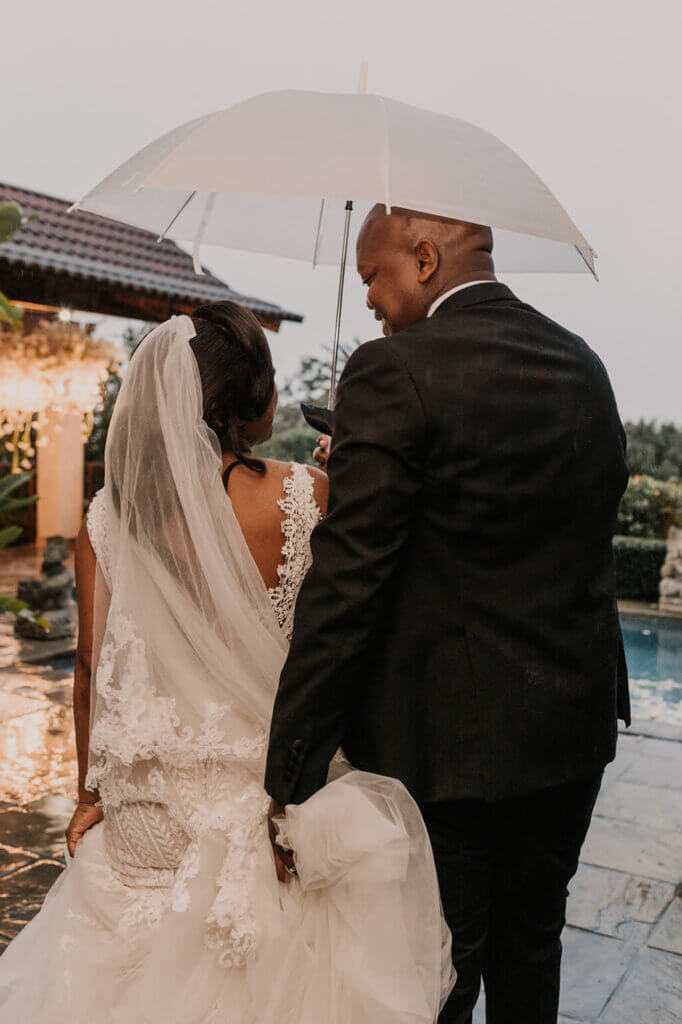
Cape Town is not Mauritius—and that’s its strength. It offers rugged beauty, dramatic landscapes, and unforgettable light that no tropical island can replicate. With the right guidance, you can embrace this city’s unique character and host a wedding that feels timeless, elevated, and deeply personal.
At The Wedding Fairy, our role is to ensure that every element—from venue choice to weather contingencies—is considered with expertise and ease. That way, you and your guests experience Cape Town at its best.
Ready to start planning your iconic Cape Town wedding? Let us help you discover your perfect destination in Cape Town.